Group lighting circuits
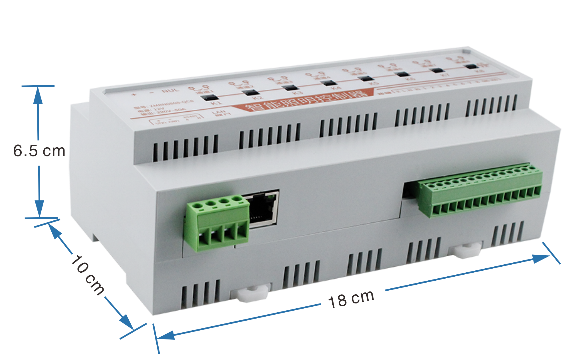
Assign lobby, corridor, venue and outdoor circuits to the right groups instead of switching them one by one.
Lighting across a building or campus needs more than individual switches. Organize circuits by zone and scene, then use controllers, panels, schedules and the platform for opening hours, inspection, closing and night operation with status and energy records.
Lighting across a building or campus needs more than individual switches. Organize circuits by zone and scene, then use controllers, panels, schedules and the platform for opening hours, inspection, closing and night operation with status and energy records.
Use circuit control for reliable switching, scene settings for everyday operation and schedules for recurring tasks. Keep local operation available while managing distributed areas centrally.
Assign lobby, corridor, venue and outdoor circuits to the right groups instead of switching them one by one.

Set sunrise and sunset actions with location and offset settings for outdoor and shared-area lighting.

Bring supported DMX512 lighting channels into scene operation for venues that need more than on/off switching.
Coordinate time, light, occupancy and solar schedules per zone, with defined priority for local operations and temporary events.
Divide lighting into circuit switching, brightness and operation interfaces: relays switch circuits, dimming chains adjust brightness, and panels and the platform organize scenes and strategies.
QC8 provides multi-circuit high-power latching switching. Select by actual loads and circuits; brightness adjustment and energy measurements still require the corresponding dimming and metering devices.
View product detailsChoose the dimming chain by the lamp driver. This module supplies 0–10V control signals; a matched external power driver handles the AC load. Circuit switching and local operation use separate controllers and panels.
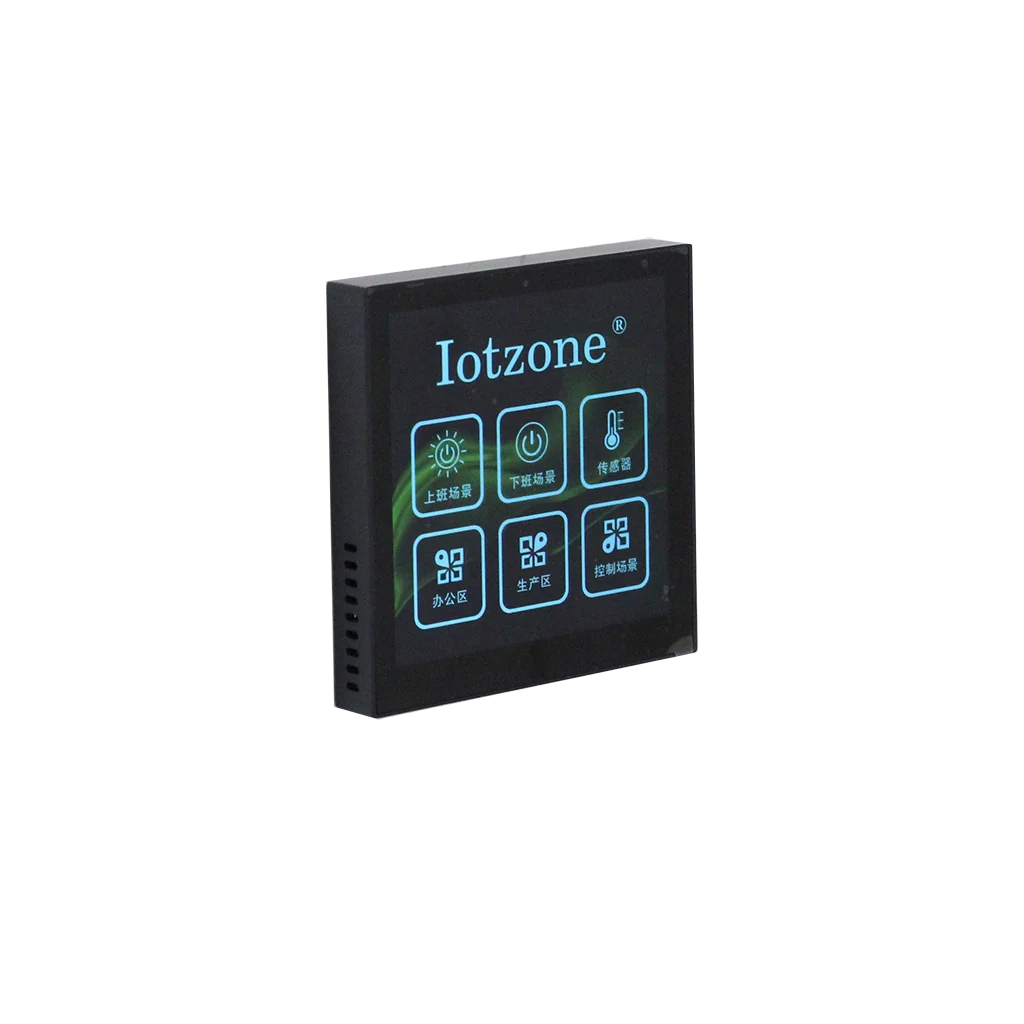
View product detailsThe wall panel provides local operation and scene selection; relay controllers switch the loads. Plan panel positions, key count and circuits before adding network control or dimming.
View product detailsUse the module for separate single-phase branch measurements rather than only a distribution total. Plan branches, current transformers and reporting dimensions; compare three-phase systems for whole three-phase loads.
View product detailsRelay controllers switch circuits. ZMSR0004-1G outputs 0–10V dimming signals, while lamps or external power drivers handle loads. Combine them according to the lighting scene.
Yes. Panels provide local operation, controllers execute circuit actions, and the platform handles groups, schedules, records and remote maintenance.
Record operating periods, energy and states by zone and circuit. Compare consumption and usage needs across strategies; results depend on lamp power, runtime and strategy configuration.
Start with a circuit register linking fixture purpose, area, cabinet and controller channel. An area may contain access, focal and cleaning circuits, while a scene selects channels across several areas. This makes opening, normal use, low-occupancy operation, cleaning and closing repeatable, and allows circuits to be reassigned after refurbishment or a change of use.
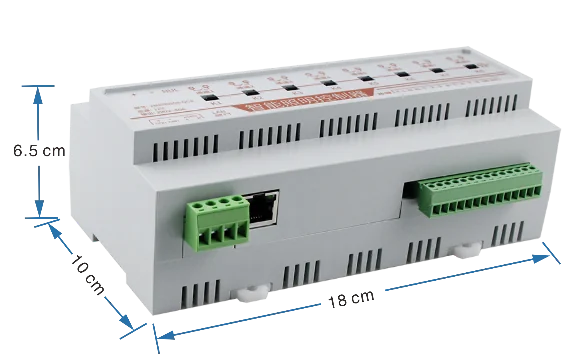
Wall panels and ZMLCD provide local operation, controllers execute circuit switching, and the platform manages groups, schedules, scenes and permissions. Apply timetables, business hours and sunrise/sunset schedules to the appropriate areas, with authorized adjustments for temporary events. Define how long a manual action remains active and when the next schedule resumes control so users can understand the operating sequence.
Current or energy acquisition on priority circuits allows switching records to be compared with actual load changes. Persistent current after closing, differences between comparable areas or a load that stays high after a scheduled action can guide inspection. Compare similar usage periods, fixture ratings and scene scopes, keeping schedule changes, fault correction and policy adjustments traceable.
Build lighting lists by road, floor, entrance or venue zone and link each area name to controller channels and field switching devices. Outdoor schedules can follow daylight; indoor common areas can combine occupancy and opening hours, with temporary events handled by authorized staff. Review switching status separately from circuit consumption. Compatible meters provide energy data for investigating unscheduled lighting and consumption after closing.
No. Individual circuits, groups and scenes can be managed by area and channel; compatible dimming modules and drivers can be added where brightness control is required.
Compatible field inputs, RS485 panels or touchscreens can retain local operation and coordinate it with platform schedules and scenes.
Call us or leave your contact details for product selection and project enquiries.
Call us+86 16605298829Taobao Store ↗Open the Zhenming IoT platform, product documentation or official Taobao store.
For lighting, air-conditioning and fresh-air systems with area-based control, schedules, scene linkage and energy monitoring, around 30% can be used as a project optimization target for feasibility calculation. This wording applies to sites with manual switching, long full-load operation, missing holiday schedules or unattended areas running for unnecessary periods; actual results depend on equipment power, operating hours, circuit grouping and strategy execution.