Smart Lighting Protocol Control and Strategy Management
This solution connects relay controllers, lighting protocols, schedules, load selection and operation logs for cinemas, exhibition halls, parks, streets, campuses and cultural tourism lighting projects.
DMX512 lighting controlDMX512 can be used to coordinate lighting control systems with relay controller channels for scene lighting and staged lighting projects.
Sunrise and sunset schedulesStreet, park and outdoor lighting circuits can use city code or latitude and longitude based schedules with offset time settings.
Load selection and circuit planningRelay controller selection should consider resistive, inductive and capacitive load types, circuit power, inrush characteristics and cabinet structure.
Logs and maintenance recordsLocal device logs and platform records help operators trace action source, control strategy and device status.
Product Combination
Controllers handle switching and linkage, sensors provide field data, meters collect energy information, gateways handle communication access, and the IoT platform supports schedules, alarms, logs and remote maintenance.
Projects can normally start from key control circuits, sensor points or meter circuits, then expand by area, equipment group or management workflow.
Can existing equipment be connected?
Existing devices can be connected when suitable IO, relay, RS485, Ethernet, 4G, sensor or meter interfaces are available.
Does the solution support private deployment?
Private deployment can be planned according to project scale, network conditions, data ownership and maintenance requirements.
Application design and operating strategy
01
Classify control objects by lighting interface
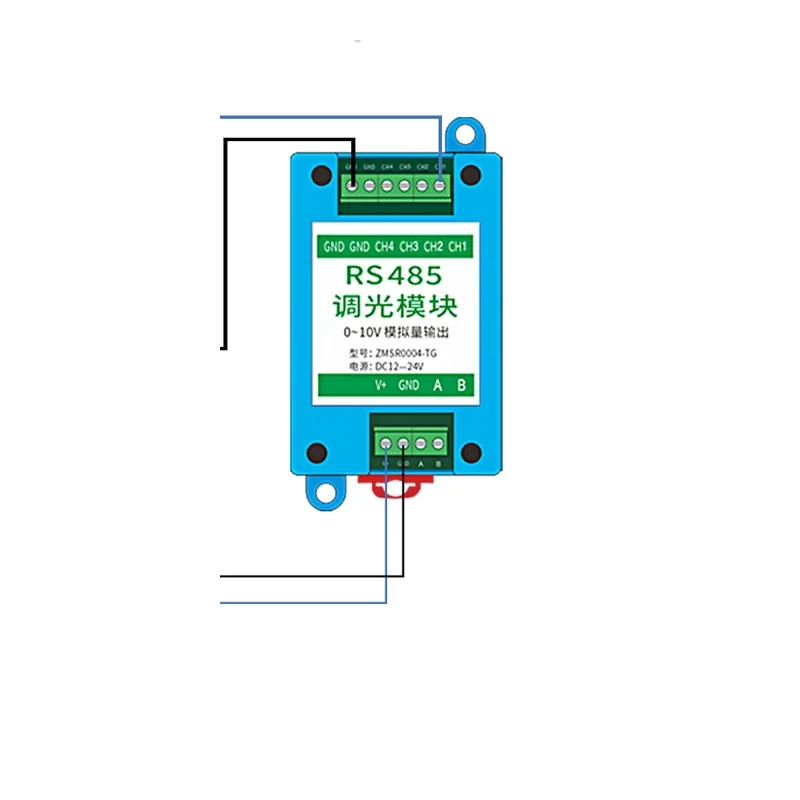
Lighting projects may combine relay switching, 0–10 V dimming, DMX512 and vendor interfaces. Inventory the actual fixture and driver interfaces first, assigning execution devices to ordinary circuits, effects and equipment power. Scenes combine these actions within an area. Matching protocol, circuit rating and fixture function supports centralized control while retaining existing systems.
ZMSR0004-1G four-channel 0–10 V output module and terminals
02
Keep scene commands mapped to field channels
Scenes use operational names such as welcome, visiting, presentation and cleaning, while the underlying map retains addresses, channels, actions and brightness values. Panels and HMI provide local access, controllers and dimming modules execute, and the platform handles schedules and logs. Reuse verified channel combinations and update affected mappings when fixtures or drivers change.
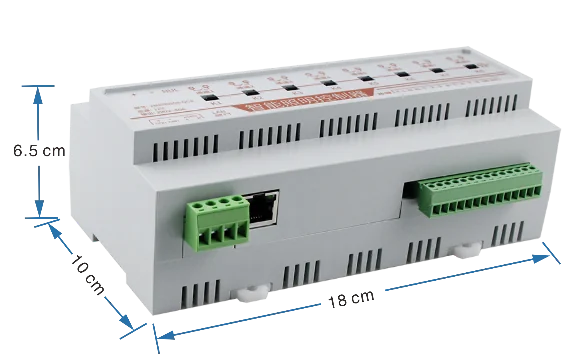
ZMRN0808-QC8 network relay controller
03
Validate representative fixtures before scaling
Check switching, dimming range, off behaviour and scene recovery on representative fixtures before scaling by circuit and area. Verify address and parameters on each communications link, then test action order and physical results across the scene. Retain fixture, driver and control associations so replacement equipment can be checked for interface and behaviour during expansion or refurbishment.
Selection questions
Can one scene include several lighting protocols?
Yes, when project interfaces and devices support the combination. Each fixture retains its own control method and mapping.
Can an existing professional lighting system be retained?
It can coordinate through its available interfaces or control method, with switching, dimming and effects responsibilities defined and representative scenes verified.
Contact Zhenming Electronics
Call us or leave your contact details for product selection and project enquiries.
For lighting, air-conditioning and fresh-air systems with area-based control, schedules, scene linkage and energy monitoring, around 30% can be used as a project optimization target for feasibility calculation. This wording applies to sites with manual switching, long full-load operation, missing holiday schedules or unattended areas running for unnecessary periods; actual results depend on equipment power, operating hours, circuit grouping and strategy execution.
30% targetUsed as a planning target for strategy optimization and reviewed with project baseline data.
Area and time controlReduce unnecessary operation by room, area, circuit, schedule and holiday mode.
Energy feedbackUse meters and acquisition modules to compare energy trends before and after strategy changes.
Project boundaryThe final result depends on site scale, equipment load, baseline operation and maintenance rules.