
Three-phase measurements
Collect phase voltage, current and power at the distribution point to compare operating conditions.
When equipment alarms recur, phase loads diverge or supply conditions fluctuate, start with measured data. Review voltage, current, power and circuit trends, then add harmonics and other power-quality indicators where deeper diagnosis is required.
When equipment alarms recur, phase loads diverge or supply conditions fluctuate, start with measured data. Review voltage, current, power and circuit trends, then add harmonics and other power-quality indicators where deeper diagnosis is required.
Start with phase voltage, current and load trends. Where supply quality is the concern, add instruments that measure harmonics and compare readings across phases and periods.
Collect phase voltage, current and power at the distribution point to compare operating conditions.
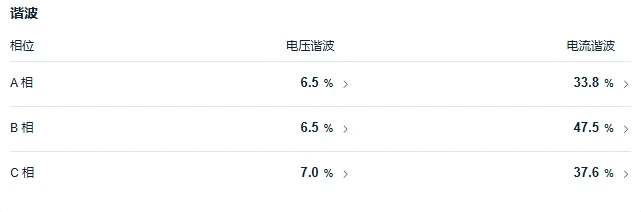
With a compatible power-quality instrument, review voltage and current harmonics by phase instead of relying on a single overall value.
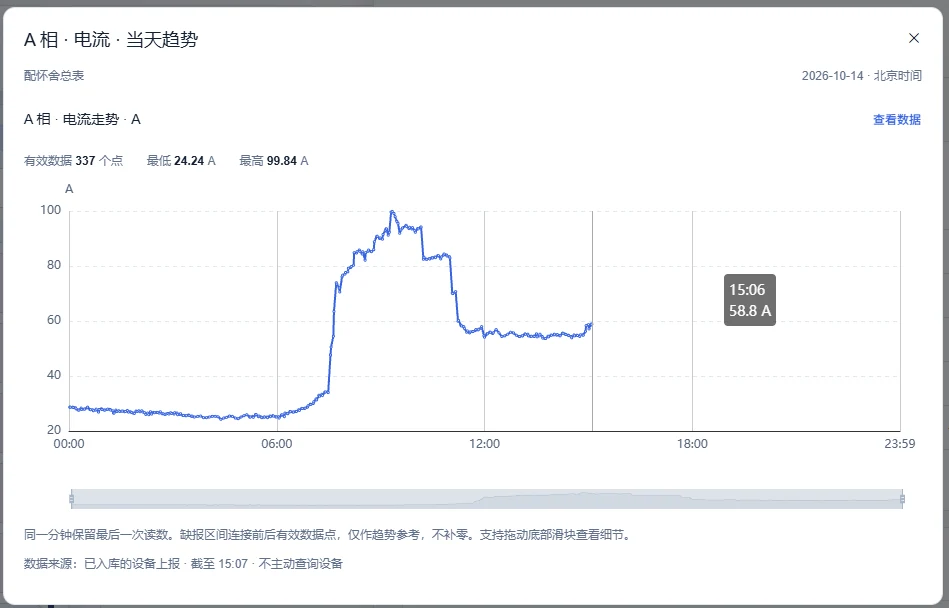
Compare the time of a current change with equipment operation and alarms to narrow the field inspection.
ZMPQ_LCD combines electrical data, 2nd–63rd harmonics, six-channel records, energy and temperature with Modbus, MQTT or BACnet/IP access.
Energy accounting measures consumption; power-quality analysis examines supply and load operation. Choose devices by electrical measurements, harmonics and events, then organize trends and circuit comparisons.
Use the terminal for electrical measurements, power-quality analysis and operating records. Compare energy-monitoring terminals and branch acquisition modules for consumption-only or multi-branch reporting.
View product detailsUse this system for centralized three-phase power measurements. Separate whole three-phase monitoring, multiple single-phase branch metering and power-quality analysis by distribution wiring and measurement boundaries.
View product detailsUse the module for separate single-phase branch measurements rather than only a distribution total. Plan branches, current transformers and reporting dimensions; compare three-phase systems for whole three-phase loads.
View product detailsThe client centralizes device management while field hardware performs control and acquisition. Existing business systems can use platform API integration; local room operations can use RoomCtr.
View product detailsEnergy accounting supports consumption trends and reporting. Power-quality monitoring also examines voltage, current, harmonics and abnormal-operation records. Select according to the data objective.
Use consistent circuit identifiers, equipment mappings and timestamps. Compare three-phase or branch measurements with operating records to identify the period and associated loads.
Plan integration by the selected power device, communications interface and platform data model. Analyze power quality alongside existing consumption trends.
Start with the affected equipment and event time, then associate phase voltage, current, power and power factor with named circuits. For recurring alarms, compare before and after startup, peak production and light-load periods to see whether changes concentrate on one phase, branch or several areas. This creates a clear starting point for inspection and evidence to compare with equipment records.
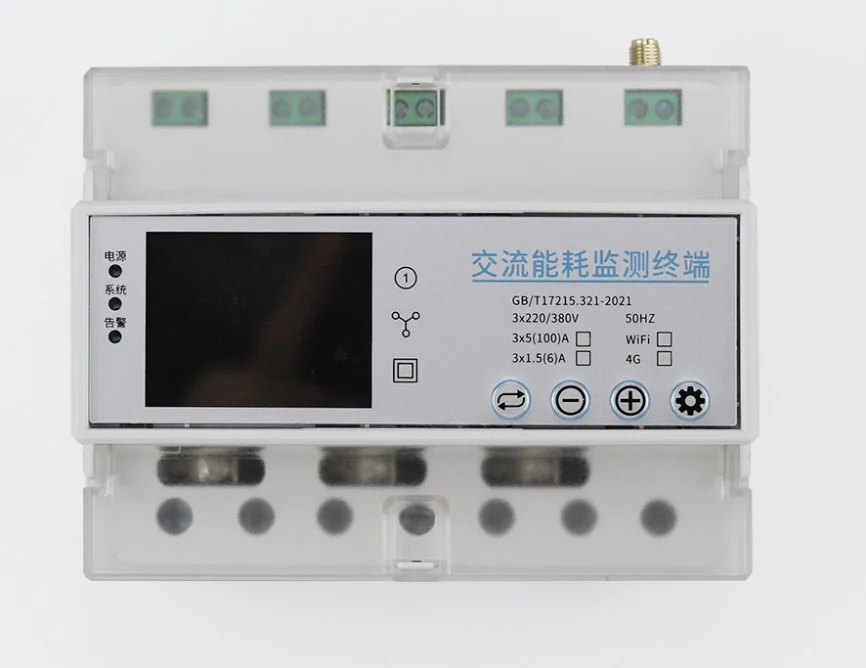
Basic three-phase metering supports energy and load-distribution review; harmonic investigation requires an instrument with the relevant measurement capability. Phase-by-phase voltage and current harmonics help compare event periods and circuits. Retain instrument, wiring and measurement details alongside platform data, matching the diagnostic objective to supported readings and expanding from priority nodes as needed.
Record starts, load changes and service actions by time, then compare measurements under similar conditions. Incoming and branch data help identify the extent of a supply event; changes confined to one branch guide inspection toward its equipment and wiring. The platform supports continuous observation and traceability, while field diagnosis combines instruments and equipment checks so later maintenance can reuse the investigation record.
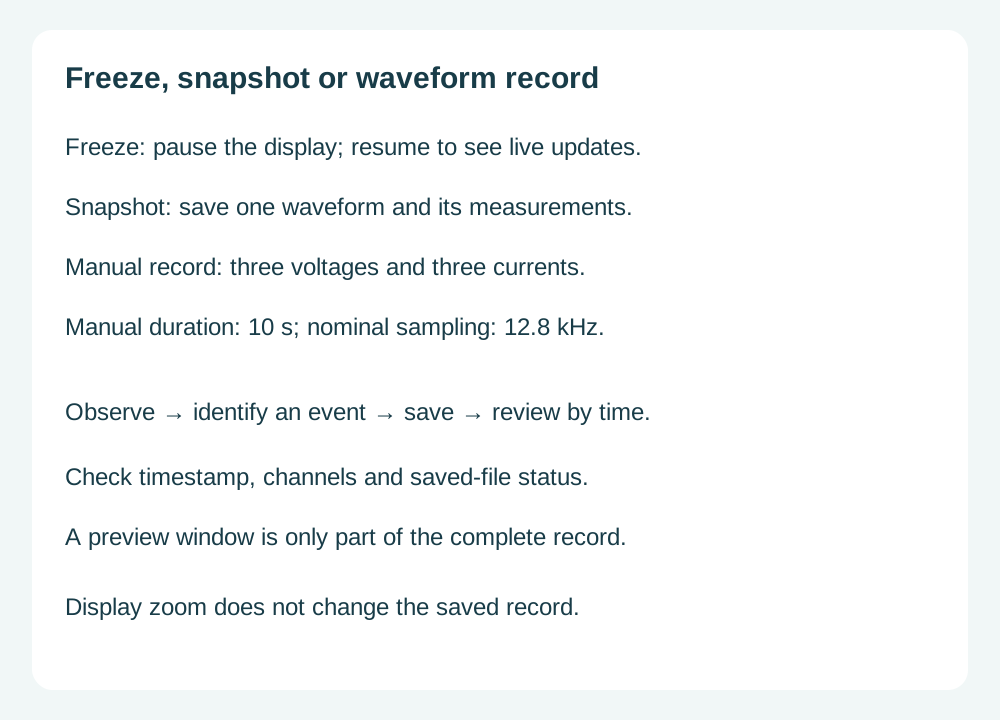
Start with circuit and phase measurements, noting the event time and operating equipment when an anomaly appears. Present harmonics and historical peaks describe different periods; saved six-channel records support review around the event. The terminal provides local viewing and recording, branch meters add area consumption, and the platform aligns information by time for investigation and maintenance follow-up.
No. Basic electrical measurements and harmonic functions depend on the model. Harmonic projects use instruments and data fields that specifically support the measurement.
Comparing levels helps distinguish an event affecting multiple areas from a local load issue, then equipment records and field checks narrow the investigation.
Call us or leave your contact details for product selection and project enquiries.
Call us+86 16605298829Taobao Store ↗Open the Zhenming IoT platform, product documentation or official Taobao store.