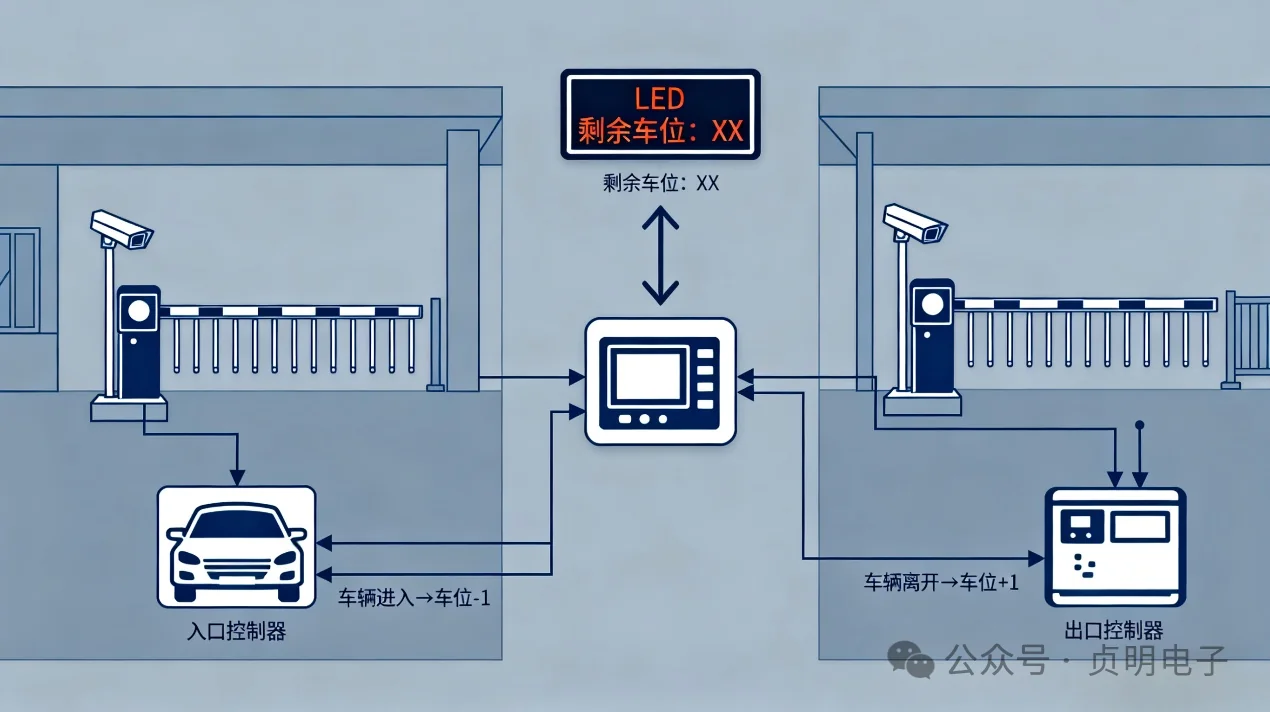
Parking count linkage
Entrance and exit events update the remaining-space count and display data.
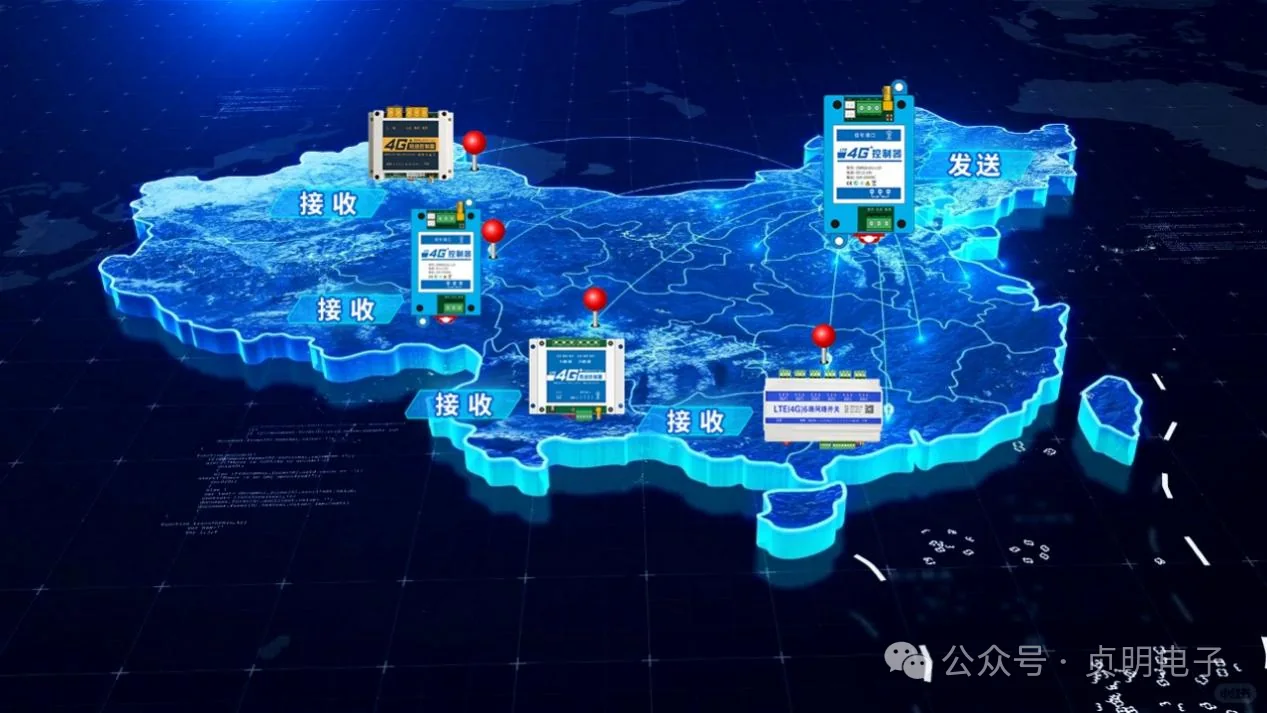
Zhenming network controllers convert field contacts, device states and platform actions into authorized commands for equipment at another site. Water supply, parking, alarms, irrigation and chain-store equipment can therefore share one event-driven workflow without being limited to the same cabinet or building.
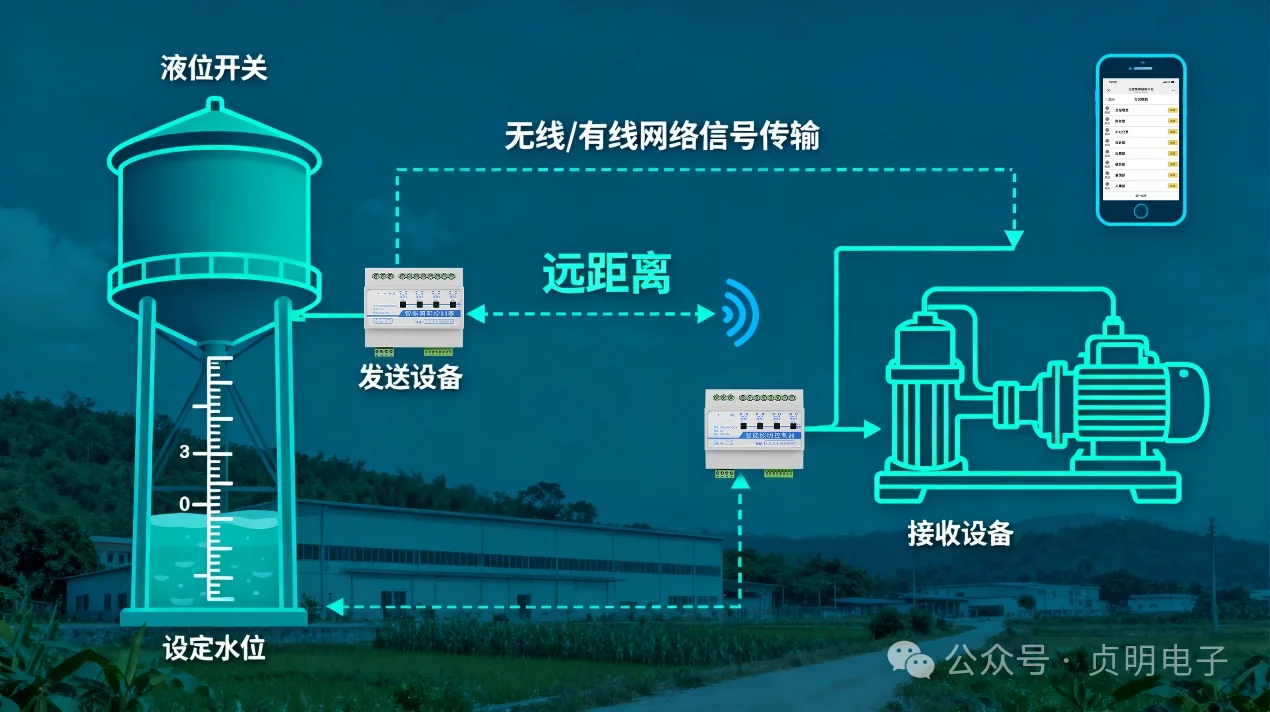
A level switch or sensor at the water tower reports the water condition through its controller. The authorized receiving controller starts or stops the pump while retaining local protection, manual operation and maintenance access.
Entrance and exit events update the remaining-space count and display data.
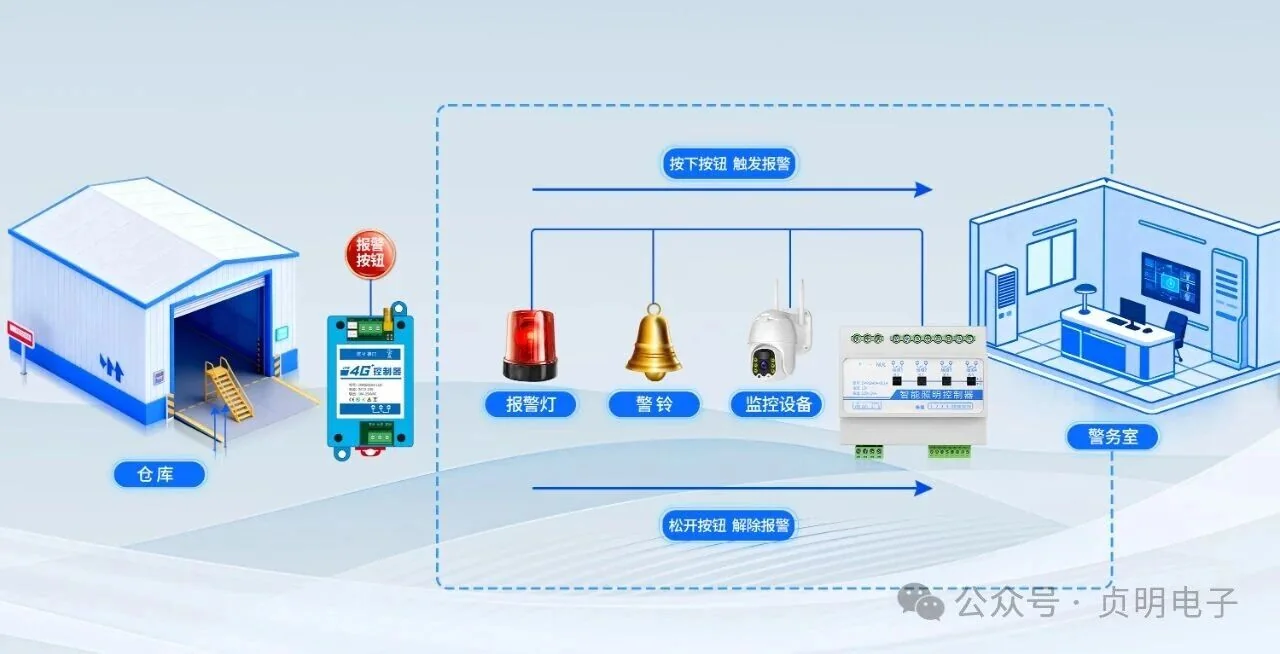
An emergency input can trigger authorized sirens, beacons and recording equipment, then use a separate reset action.
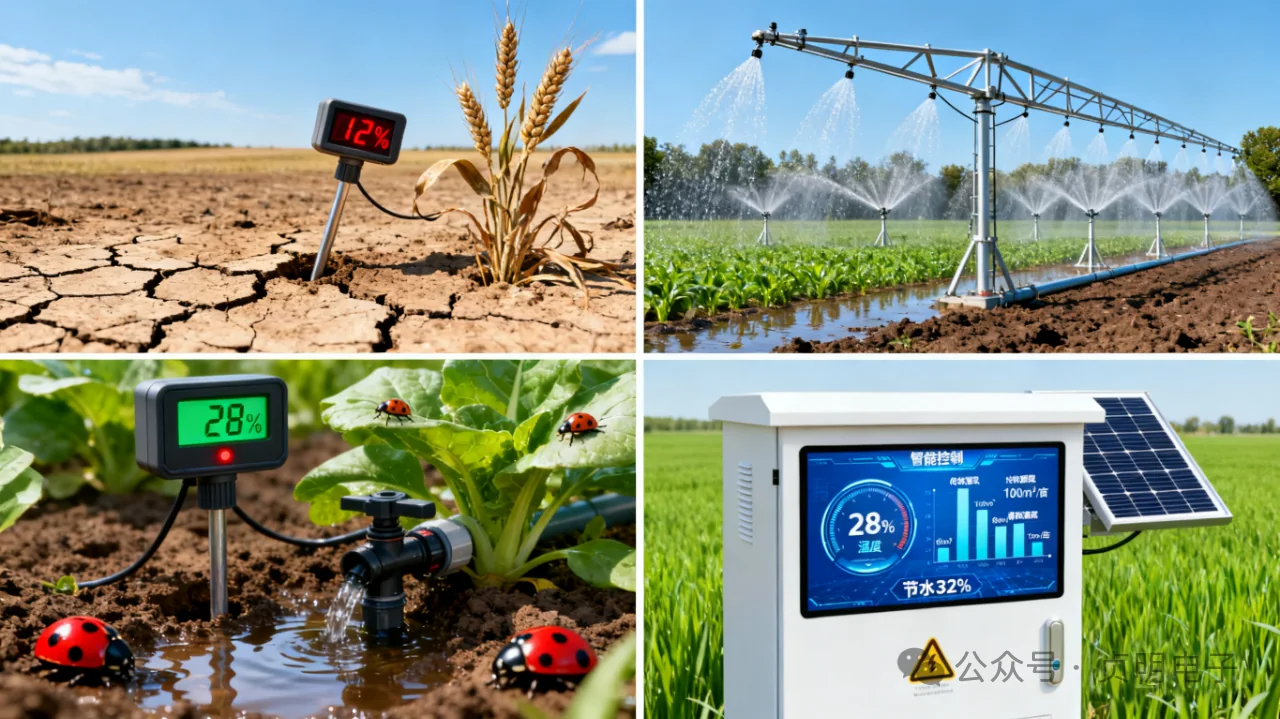
Moisture conditions can coordinate distant pumps, valves and alarm points through approved rules.
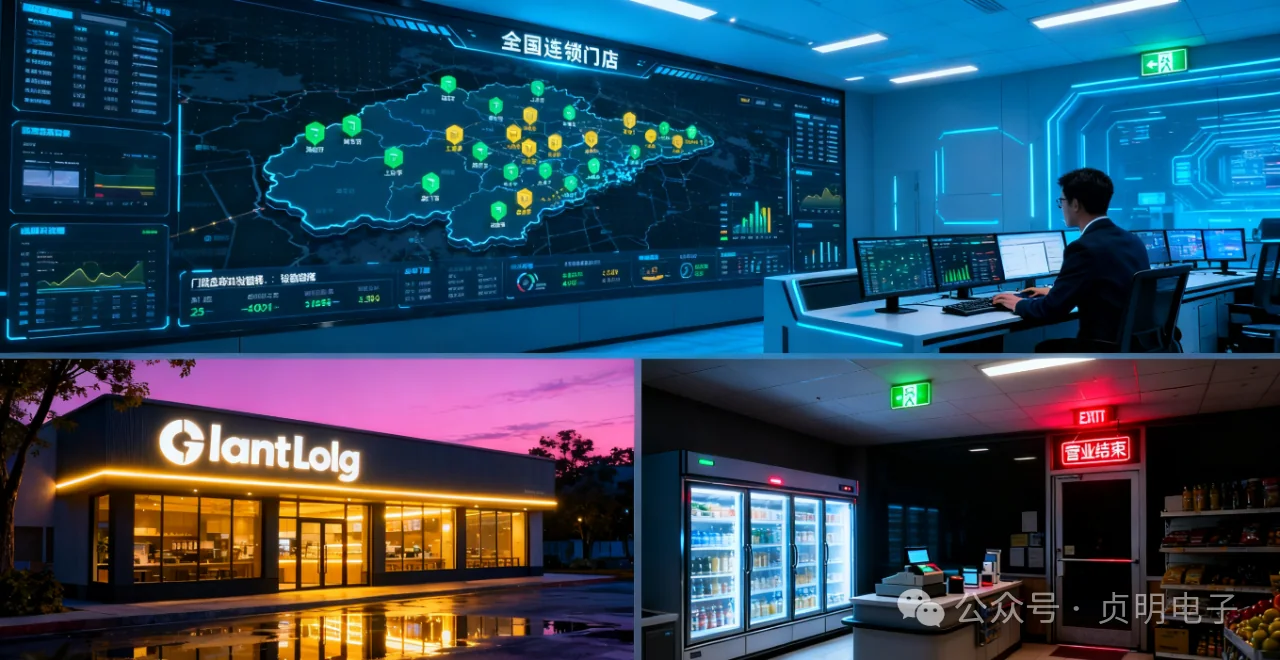
Headquarters policies coordinate signs, lighting and selected power circuits while each store retains authorized local control.
Remote intercontrol is used for operational coordination. Pump dry-run protection, overflow protection, emergency stops, fire systems and other safety functions remain independently designed and do not depend only on a remote network command.
Install acquisition and control nodes at water towers and pump stations, warehouses and duty rooms, or fields and valves. A source supplies a contact, sensor or platform event; an authorized receiver executes the output. Define source, target, channel and recovery action for each relationship, grouping one-to-many targets explicitly so the workflow can coordinate across buildings and sites.
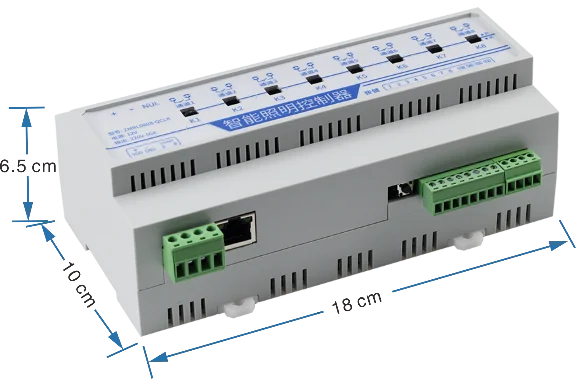
The receiving device executes within field conditions and circuit arrangements, retaining pump, valve or motor protection and manual access. Define trigger, hold, reset and communications-exception behaviour and prevent circular event triggering. Use local rules for decisions that belong at the field device, while the cross-site network shares events and states, giving each layer a clear role.
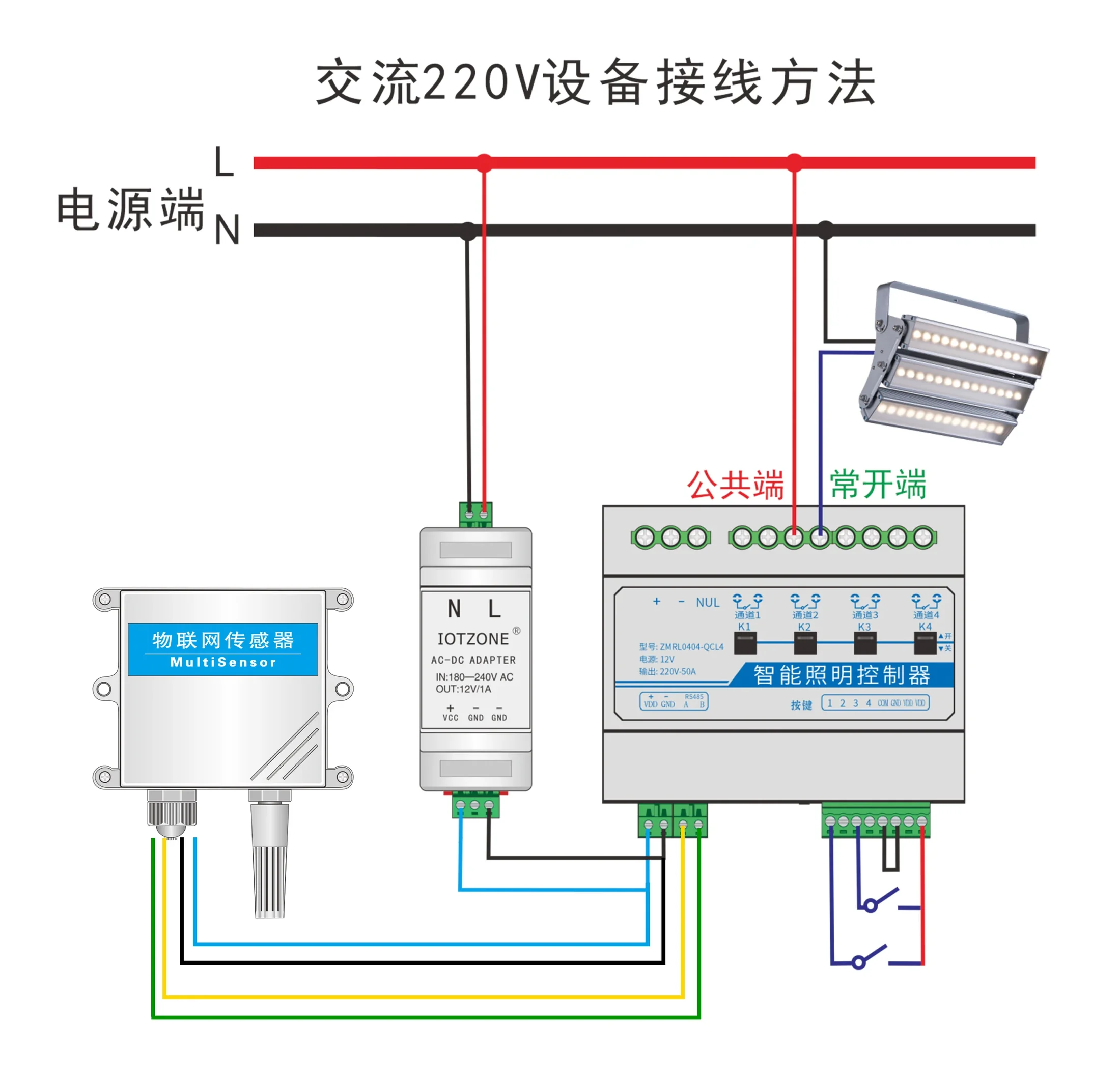
Commission in stages from source input through event routing and target output to field feedback, retaining device and channel names. The trace helps distinguish an unchanged input, failed delivery, unexecuted output or non-operating load. Reuse the same event and permission model for new sites, updating relationships after temporary suspension or replacement to support long-term maintenance.
Authorized one-to-many targets can be configured with defined channels, actions and recovery, then managed as device groups.
Check the source event, communications state, receiver output and field feedback separately, comparing names and times with the operation record.
An input, state change or platform action from one controller is converted into a command for one or more receiving controllers through the network, so equipment at different sites can operate as one workflow.
Yes. One sending event can target multiple authorized receiving devices, with device groups and actions planned for the project.
Yes. A level contact at the water tower can send a stop or start condition to the pump controller, while local protection and manual operation remain part of the field design.
Remote cross-site commands require an available communication path. Local inputs, protection and configured local rules remain available according to the selected controller and project architecture.
HTTP, MQTT or other supported project interfaces can be used to exchange authorized events, states and commands with customer systems.
Call us or leave your contact details for product selection and project enquiries.
Call us+86 16605298829Taobao Store ↗Open the Zhenming IoT platform, product documentation or official Taobao store.