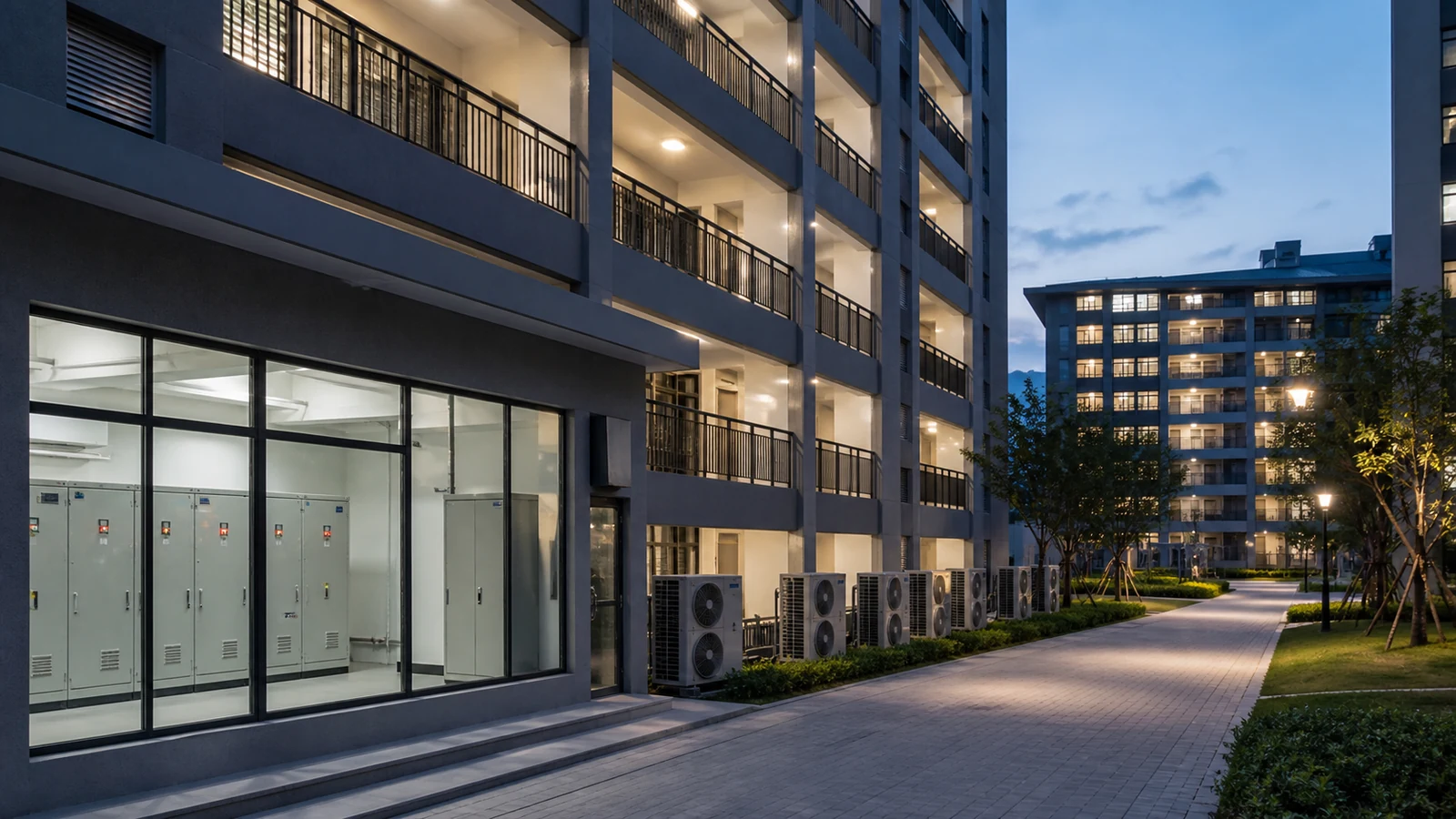
This case focuses on room-based air conditioner IR control, environment monitoring, public-area lighting linkage and schedule management for campus logistics teams.
The content is organized for engineering companies, system integrators and project owners who need to understand device roles, data flow and maintenance value.
Controllers handle switching and linkage, sensors provide field data, meters collect energy information, gateways handle communication access, and the platform supports schedules, alarms, logs and remote maintenance.
Project value is usually measured through circuit grouping, device status visibility, alarm response, remote maintenance records, energy trend comparison and fewer unnecessary field inspections. Actual results depend on site scale, equipment power, communication conditions and operation strategy.
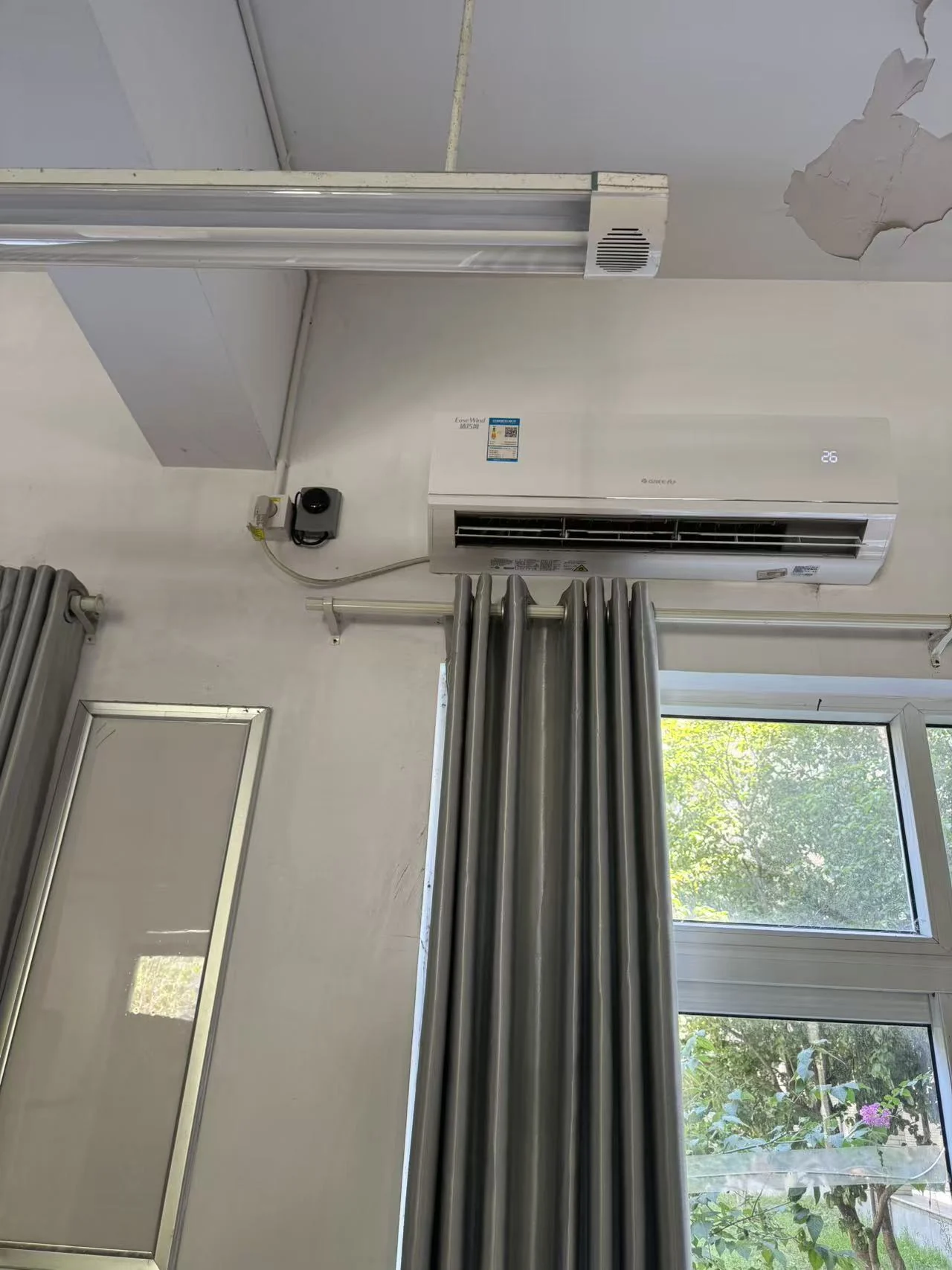
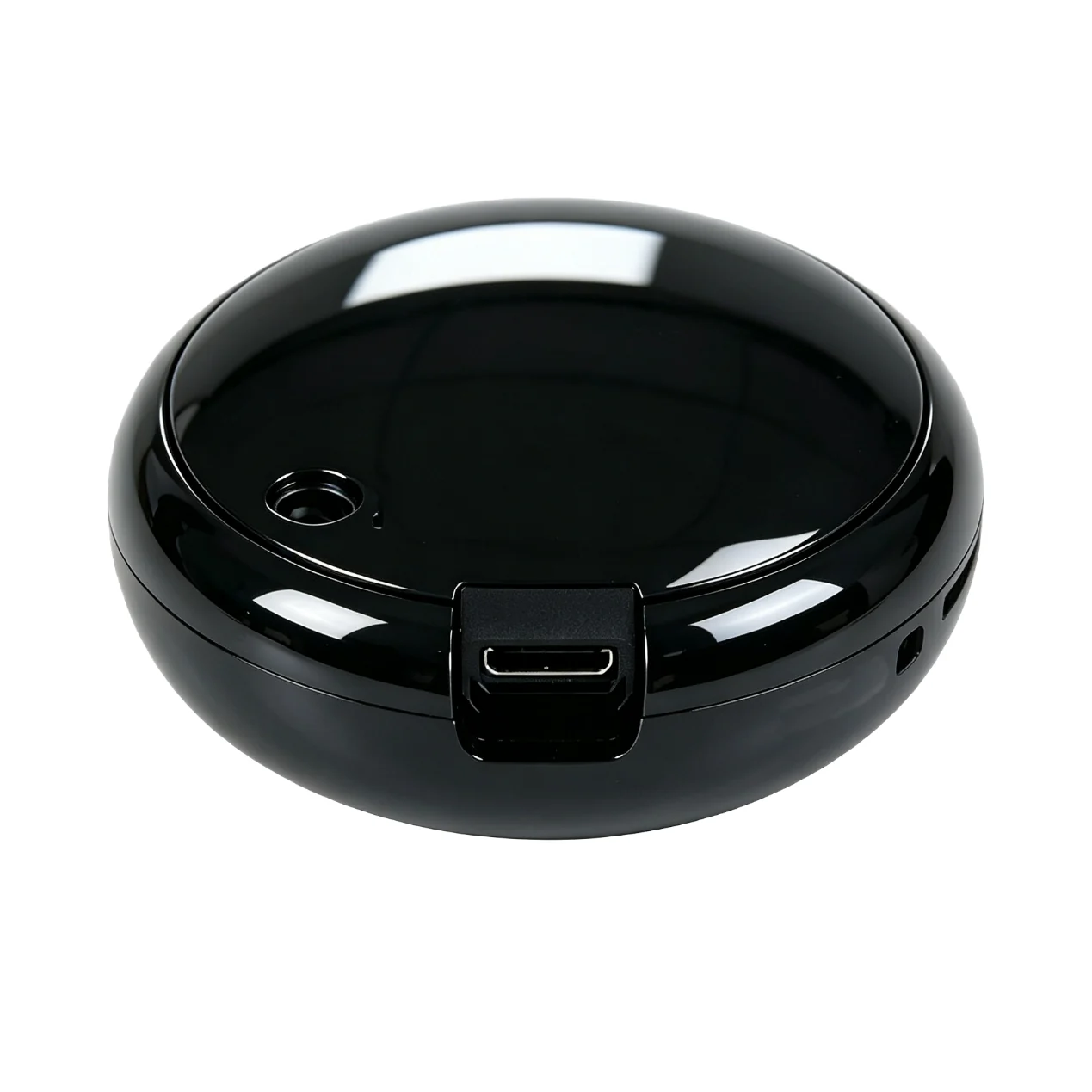
Install infrared controllers near air conditioners in dormitories, offices and apartments, named by building, floor and room. 4G provides connectivity while infrared carries the final command, so position devices around receiver angle and obstructions. Match the required power, temperature, mode and fan commands for each model, and update associations after room changes or equipment replacement.
Create separate daily, seasonal and holiday arrangements for residential and teaching spaces, with grouped changes by building. Authorized temporary operation covers meetings, exams and holiday occupancy with a defined return point. Air-conditioning commands and public-lighting circuits use different field devices but can share area and usage plans in the platform, reducing duplicate schedule maintenance.
Command records trace operator actions, while environmental and energy acquisition provide independent information on room conditions and operating changes. Inspection can prioritize offline nodes, unusual temperature and out-of-schedule consumption, then examine code matching, obstructions or appliance condition in the field. Consistent room grouping and role-based access keep facilities management aligned with room use.
4G is the network link; infrared still needs to reach the appliance receiver. Nodes are positioned around each room’s actual receiving conditions.
Compare field response with temperature, humidity or independent energy data. A transmitted command and an appliance’s physical state are treated as separate evidence.
ZMIR4G uses compatible infrared codes while separate controllers operate lighting and power circuits. Business interfaces coordinate reservations or schedules; sent commands are distinct from actual appliance state.
Call us or leave your contact details for product selection and project enquiries.
Call us+86 16605298829Taobao Store ↗Open the Zhenming IoT platform, product documentation or official Taobao store.
For lighting, air-conditioning and fresh-air systems with area-based control, schedules, scene linkage and energy monitoring, around 30% can be used as a project optimization target for feasibility calculation. This wording applies to sites with manual switching, long full-load operation, missing holiday schedules or unattended areas running for unnecessary periods; actual results depend on equipment power, operating hours, circuit grouping and strategy execution.