Zhenming Electronics
Cinema and venue operation

Cinema Lighting, HVAC and Fresh Air IoT Case

A cinema changes operating mode several times in one day. Connect auditorium lighting, HVAC and fresh air by hall and scene, then use sensor readings, energy data and logs to review what ran during admission, screening, cleaning and closing.
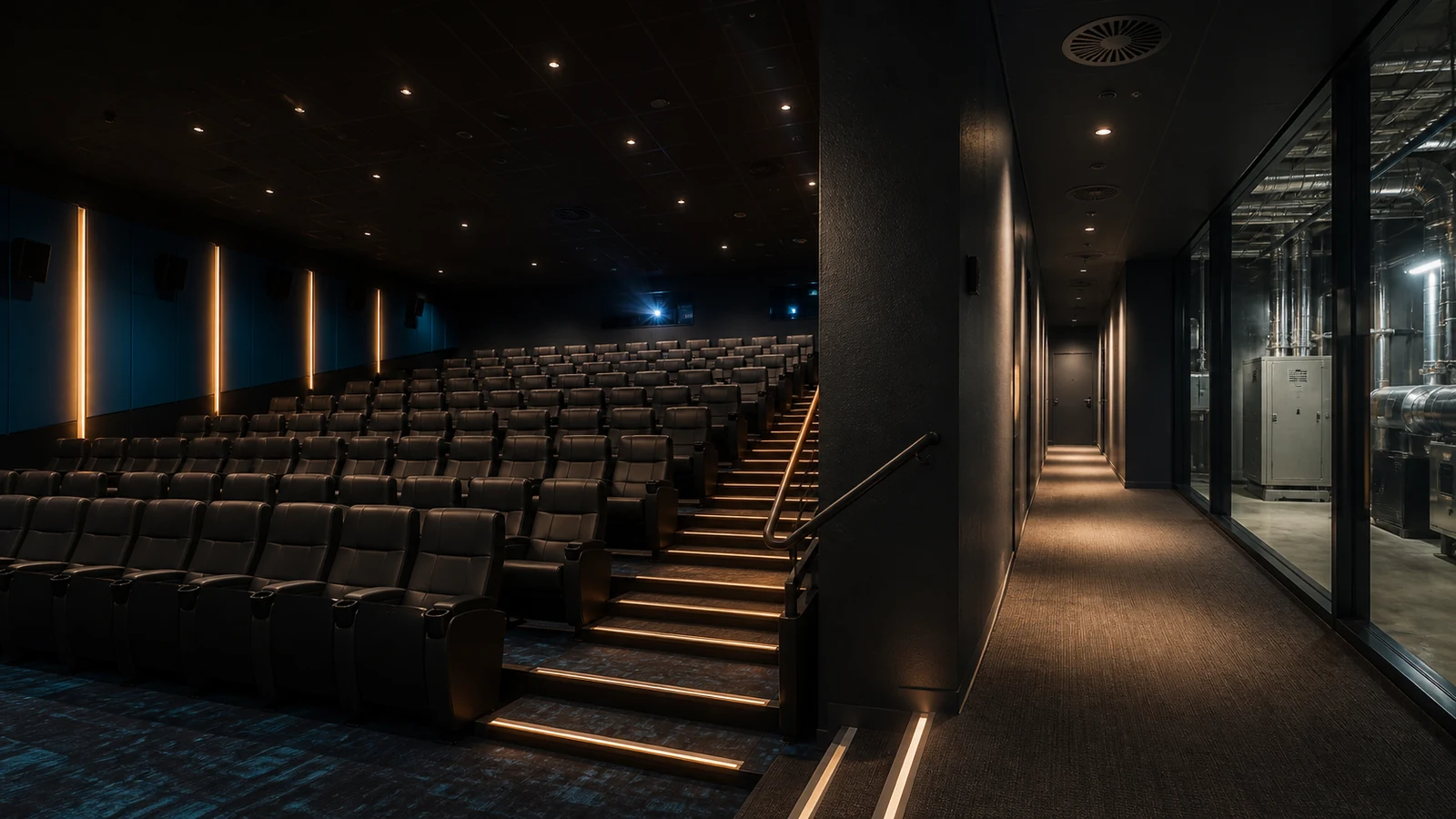
8-screen cinema modelHalls, public areas, HVAC units and fresh air equipment can be managed by area and device type.
Lighting and equipment controlRelay controllers and smart panels can support scene switching, grouped control and operation logs.
Environment and energy dataSensors and meters provide temperature, humidity, air quality and energy trend visibility.
Remote maintenanceThe platform supports status checking, schedules, alarms and maintenance records.
Cinema auditorium lighting HVAC and fresh air management
The cinema model combines auditorium lighting, HVAC, fresh air, environmental sensing and energy circuits in one management workflow.

What connects the cinema systems

Relay control handles lighting and equipment circuits; environmental sensing gives HVAC and fresh-air operation a measured basis.

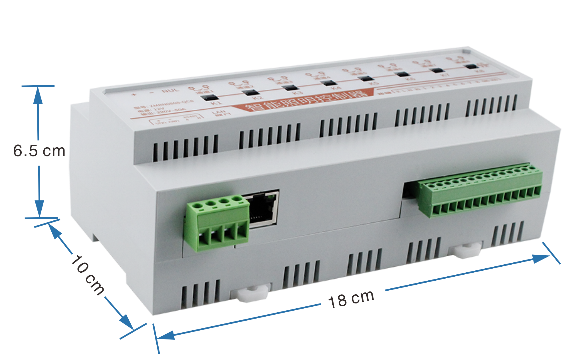
QC8 eight-channel relay controller product used for cinema circuit control

Lighting and equipment circuits

Group hall lighting, cleaning lights and equipment power by auditorium and operating scene.

ZMSRCTH multi-function environmental sensor product

Environmental feedback

Use temperature, humidity and supported gas readings as inputs for HVAC and fresh-air operation.

Application Model

The content is organized for engineering companies, system integrators and project owners who need to understand device roles, data flow and maintenance value.

Hall and public area lightingCinema halls, corridors, advertising areas and service spaces can use grouped relay control and touch panel interaction for daily operation and scene switching.
HVAC and fresh air coordinationAir conditioning and fresh air equipment can be included in the same management model, making equipment status, timing strategies and abnormal alarms easier to check.
Energy and operation reviewEnergy data can be compared by hall, public area or distribution circuit. The actual optimization result depends on equipment power, schedule design and operation rules.

System Architecture and Product Combination

Controllers handle switching and linkage, sensors provide field data, meters collect energy information, gateways handle communication access, and the platform supports schedules, alarms, logs and remote maintenance.

Network relay controllers for lighting and equipment switchingUsed as part of the project combination for control, acquisition, communication, platform management or maintenance records.
Environment sensors for temperature, humidity and air qualityUsed as part of the project combination for control, acquisition, communication, platform management or maintenance records.
Energy acquisition modules or three-phase meters for distribution circuitsUsed as part of the project combination for control, acquisition, communication, platform management or maintenance records.
Touch display panels for local scene operationUsed as part of the project combination for control, acquisition, communication, platform management or maintenance records.
IoT platform for schedules, logs and remote maintenanceUsed as part of the project combination for control, acquisition, communication, platform management or maintenance records.

Operation Strategy and Data Value

Project value is usually measured through circuit grouping, device status visibility, alarm response, remote maintenance records, energy trend comparison and fewer unnecessary field inspections. Actual results depend on site scale, equipment power, communication conditions and operation strategy.

Grouped controlSchedulesAlarmsEnergy trendsOperation logsRemote maintenancePrivate deployment

Application design and operating strategy

01

Use one scene-to-circuit map for each auditorium

Number auditorium, cleaning, aisle, HVAC and fresh-air control circuits, then map them to admission, waiting, screening, exit and cleaning scenes. Relays switch basic lighting; compatible dimming modules and drivers provide fades. Keep lobby, corridor and auditorium groups distinct, with separate scene calls for private bookings and normal screenings so operational changes have a defined device scope.
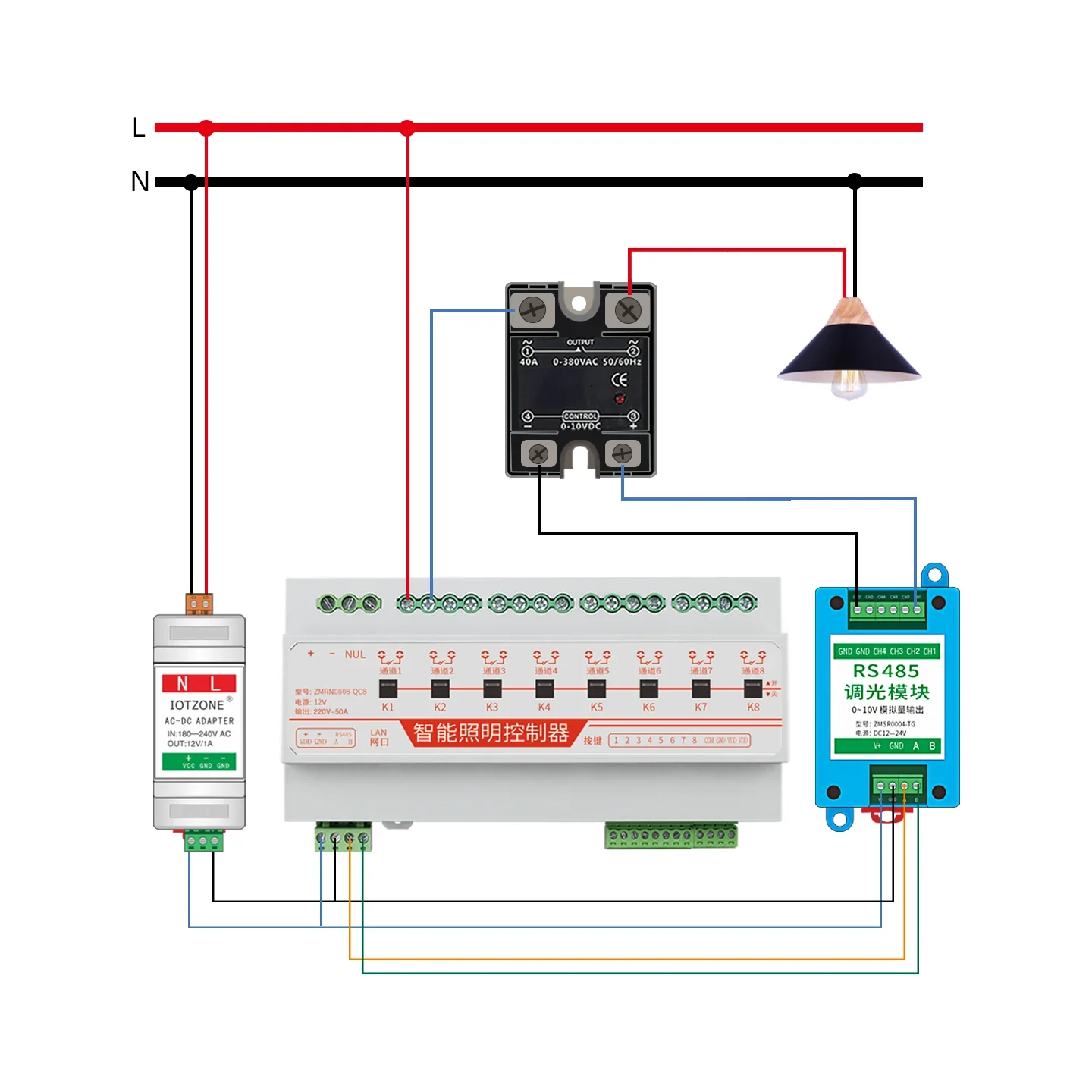
QC8, 0–10 V module, external TRIAC driver and lighting wiring
02

Use session operation and environment data together

Coordinate HVAC, fresh-air and lighting around business hours and session operation, using environmental measurements to review conditions during use. Where the scheduling system exposes an interface, session events can feed project policies, with local panels for authorized changes. Separate opening, closing and maintenance scenes, and review outputs, sensor data and action times under the same auditorium.
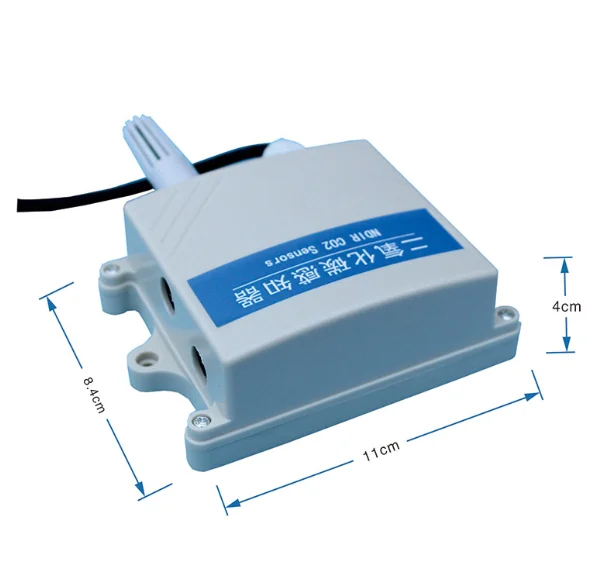
ZMSRCTH multifunction environmental sensor
03

Review closing state and non-operating consumption

After closing, review outputs, connectivity and optional energy readings by auditorium and public area, prioritizing persistent circuits and unusual loads. Logs distinguish scheduling events, timers and manual actions, with maintenance linked to device identifiers. Compare similar session counts, opening periods and seasons when reviewing lighting and HVAC changes, retaining the equipment arrangements needed for normal cinema operation.

Selection questions

Can this coordinate with an existing cinema scheduling system?

Available interfaces or field events can be integrated, with admission, screening and exit events mapped to project control scenes.

How are switching and brightness control divided?

Relays switch power circuits; a 0–10 V module and matched power driver control compatible fixture brightness. Scenes coordinate those actions.

Selection FAQ

Can lighting, HVAC and fresh air be managed together?They can be organized in one platform model when the controller, sensor and meter access plan is designed by hall, area and device type.
Can the solution be deployed in phases?Yes. Projects can start from key circuits, sensor points or meters and then expand to more areas, devices and platform functions.
Does it support private deployment?The platform and device access method can be planned around cloud use, project deployment or private deployment requirements.
How should products be selected?Selection should follow the field object, signal type, communication condition, cabinet layout, platform requirement and maintenance workflow.

Contact Zhenming Electronics

Call us or leave your contact details for product selection and project enquiries.

Call us+86 16605298829Taobao Store ↗

Estimated 30% Energy-Saving Target

For lighting, air-conditioning and fresh-air systems with area-based control, schedules, scene linkage and energy monitoring, around 30% can be used as a project optimization target for feasibility calculation. This wording applies to sites with manual switching, long full-load operation, missing holiday schedules or unattended areas running for unnecessary periods; actual results depend on equipment power, operating hours, circuit grouping and strategy execution.

30% targetUsed as a planning target for strategy optimization and reviewed with project baseline data.
Area and time controlReduce unnecessary operation by room, area, circuit, schedule and holiday mode.
Energy feedbackUse meters and acquisition modules to compare energy trends before and after strategy changes.
Project boundaryThe final result depends on site scale, equipment load, baseline operation and maintenance rules.
Quote list 0