Environment data · Solar power · Distributed points · Trends
Solar-Powered Outdoor Environment Monitoring
Combine environmental sensors, solar power, communications and a platform for distributed agricultural and outdoor monitoring points, trends and maintenance.
ApplicationsAgricultural and distributed outdoor environments
SensorsSelected by measurement objective
PowerSolar and storage combination
PlatformStation groups, values and trends
Application overview
Design the sensing location, energy budget and communications together. Sensors, supports, power enclosures and network equipment form a site-specific monitoring installation.
Functions and integration
Measurement points
Select temperature, humidity, light, rainfall or other variables according to sensor configuration.
Power design
Match panels and storage to consumption, local sunlight and operating requirements.
Installation
Arrange poles, supports, enclosures and sensors for representative measurements and service access.
Platform
Review live values, trends and communication state by monitoring station.
Applications and operating workflow
Agriculture
Monitor field or greenhouse surroundings to support operations.
Distributed stations
Combine sensing and communications where local power is limited.
System selection
Applications
Agricultural and distributed outdoor environments
Sensors
Selected by measurement objective
Power
Solar and storage combination
Platform
Station groups, values and trends
Application design and operating strategy
01
Select points around weather, soil and air objectives
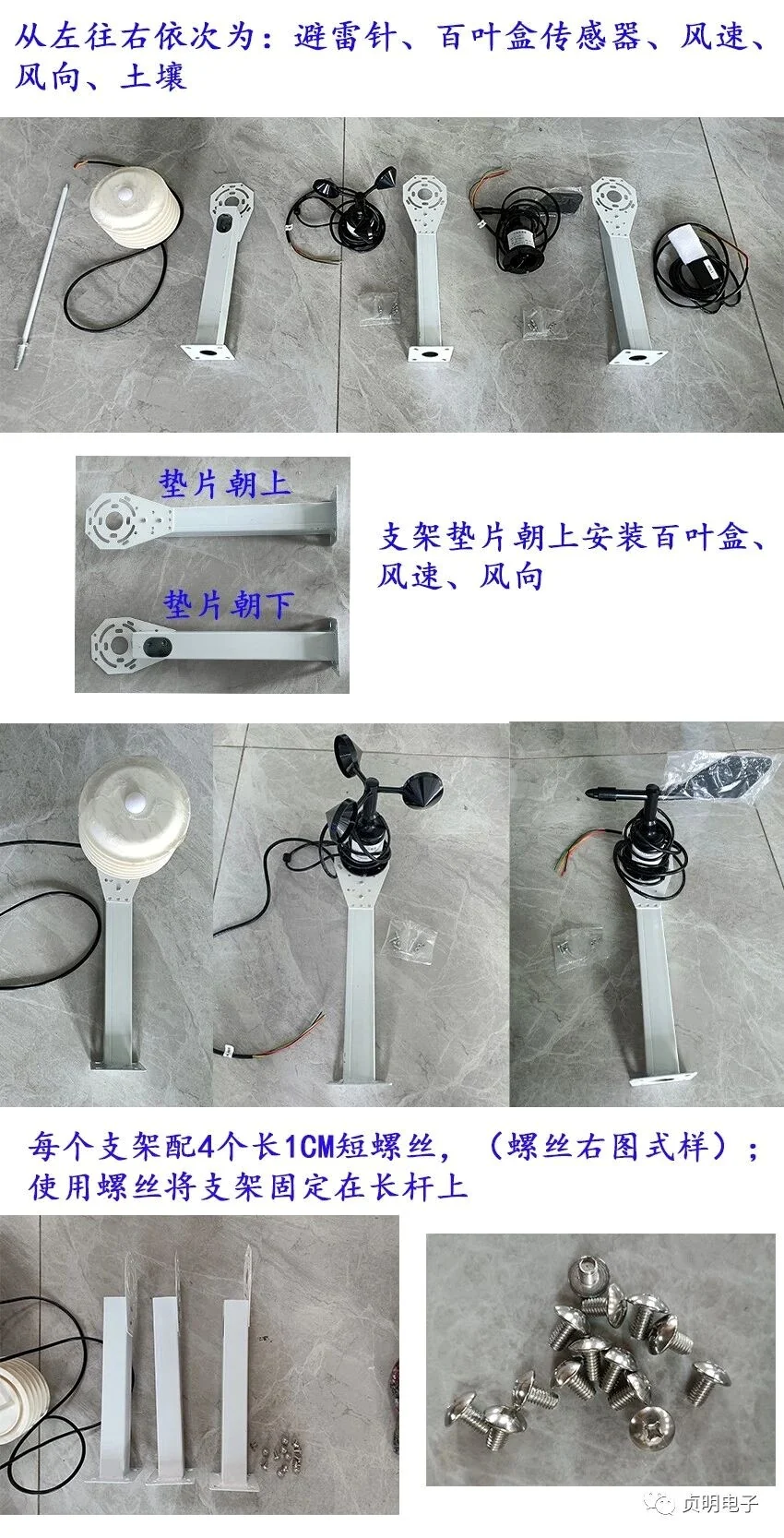
Select air temperature and humidity, wind, rainfall, soil conditions, particulates and illuminance to match the purpose of each farm, orchard or outdoor site. Locate air and weather sensors away from exhausts, heat sources and obstructions; place soil sensors in representative layers and irrigation zones. Organize platform data by area and measurement so environmental changes can support inspection, irrigation and equipment review.
Radiation shield, wind sensors and soil-sensor mounting components
02
Size solar generation, loads and storage together
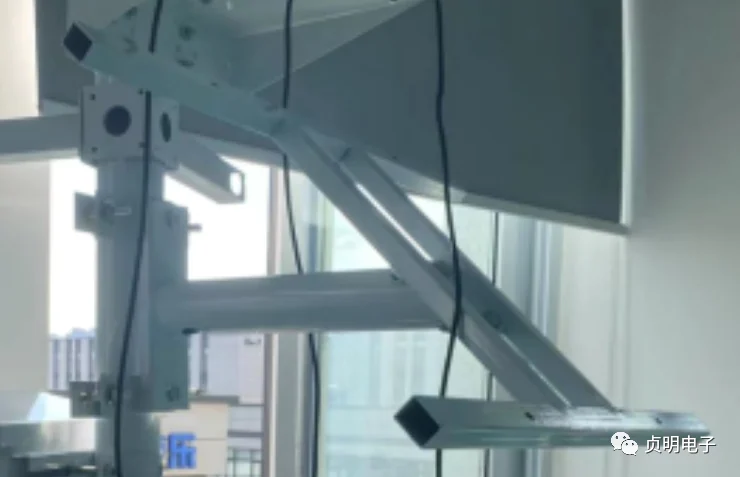
At sites without mains power, solar panels, a charge controller and a battery supply the acquisition host, sensors and communications equipment. Size the package around average demand and transmission peaks, local sunshine, extended cloud cover, cold-weather capacity and cable losses. Separate power, signal and antenna routing in the enclosure, and retain cable identification and service access for future maintenance.
Rear of the solar panel, pole and mounting brackets of an outdoor monitoring station
03
Build a serviceable pole and communications node
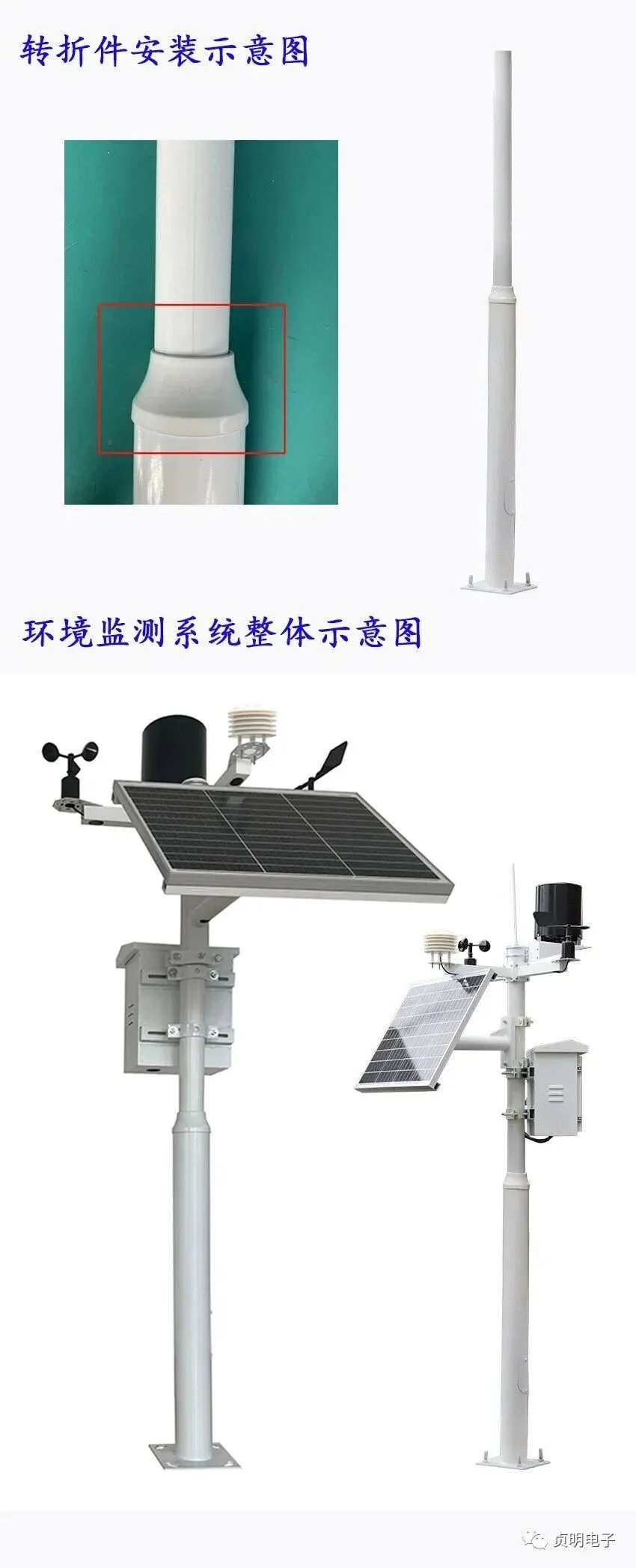
Treat the pole, foundation, panel, brackets and sensors as one outdoor node with clear exposure, secure fixing, protected cable entries and service access. Select RS485 aggregation, a gateway, 4G or another project link around the distribution of sites, with antenna placement suited to the enclosure. Record installation location, power package, communications and fitted sensors in the site register.
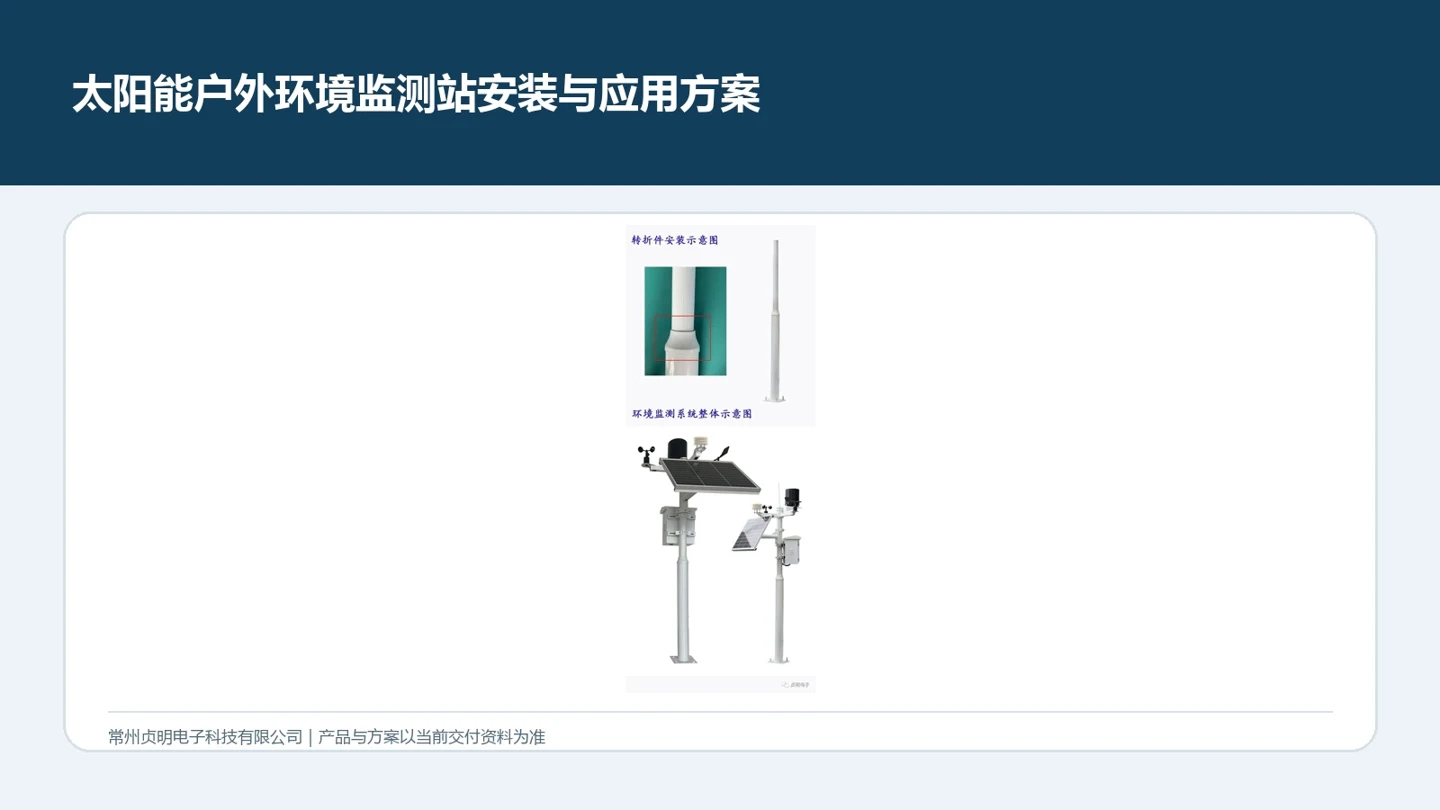
Outdoor monitoring pole with solar panel and installed sensors
04
Use trends and device condition to organize maintenance
Combine live readings, historical trends, connectivity and alarms in a site-based view. Operators can investigate frozen values, abrupt changes and communications gaps as well as genuine environmental variation. Plan cleaning, calibration and comparison by sensor type, and inspect panel soiling, enclosure seals and cable fixing. Retain configuration and maintenance records after battery or sensor replacement so changes in the data can be interpreted.
Selection questions
Is there a fixed sensor package?
Sensors are selected for weather, soil, air-quality or equipment-environment objectives. Placement and maintenance are planned for each sensor, and the platform displays the measurements actually connected.
How can data from different stations be compared?
Record sensor type, units, location and maintenance dates for each site, then compare matching time periods. Review replacements, calibration events and long offline periods alongside the trends.
How many cloudy days can the station support?
Autonomy depends on host and sensor consumption, reporting strategy, panel and battery sizing, and the local climate. The package is sized around project loads and the expected period without effective charging.
Frequently asked questions
Are all sensors included?
Sensors are selected by the required variables and site configuration.
Is there a universal autonomy duration?
Autonomy depends on load, storage, solar sizing and weather conditions.
Request product selection assistance, interface documentation and system integration support with your equipment list, channel count, network conditions and deployment requirements.