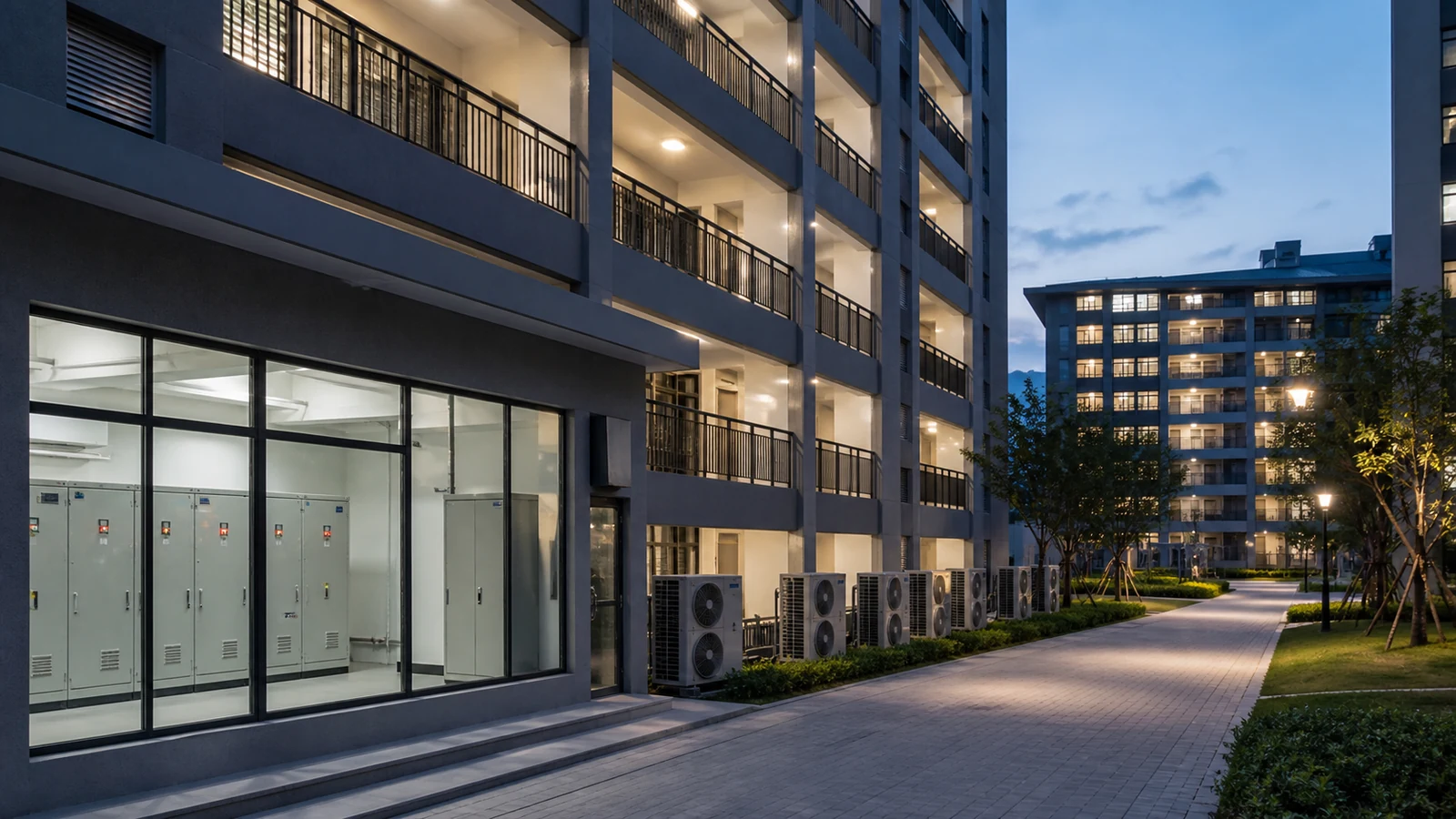
This case combines dormitory electricity management and air conditioner control for campuses, apartments and logistics maintenance teams.
The content is organized for engineering companies, system integrators and project owners who need to understand device roles, data flow and maintenance value.
Controllers handle switching and linkage, sensors provide field data, meters collect energy information, gateways handle communication access, and the platform supports schedules, alarms, logs and remote maintenance.
Project value is usually measured through circuit grouping, device status visibility, alarm response, remote maintenance records, energy trend comparison and fewer unnecessary field inspections. Actual results depend on site scale, equipment power, communication conditions and operation strategy.
Model staff housing and apartments by building, floor, room and shared area. Meter room supplies, air conditioning and public lighting according to the actual distribution. Gateways and modular devices suit grouped cabinets, while dispersed points can use 4G terminals. The same spatial register supports energy review, switch-state checks, routine readings, vacant-room inspection and occupancy handover.
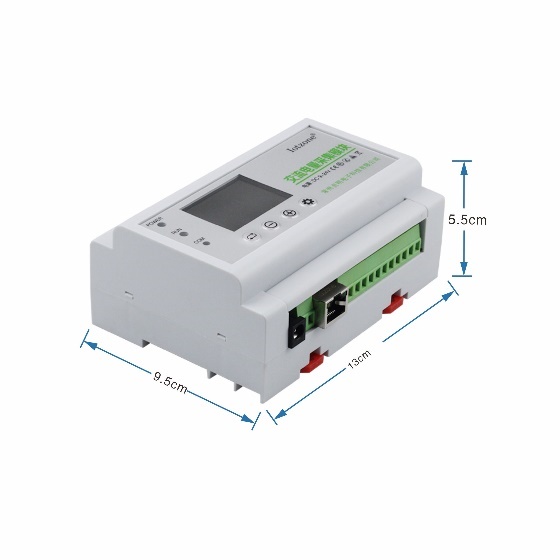
Retain normal residential supply during occupancy and use authorized arrangements for vacant rooms, holidays and maintenance, with essential shared facilities grouped separately. Tie remote switching to identified rooms and circuits, retaining state, time and operator records. Locate alarms by room and cabinet, giving facilities staff and electricians access appropriate to their responsibilities for interruption handling and supply restoration.
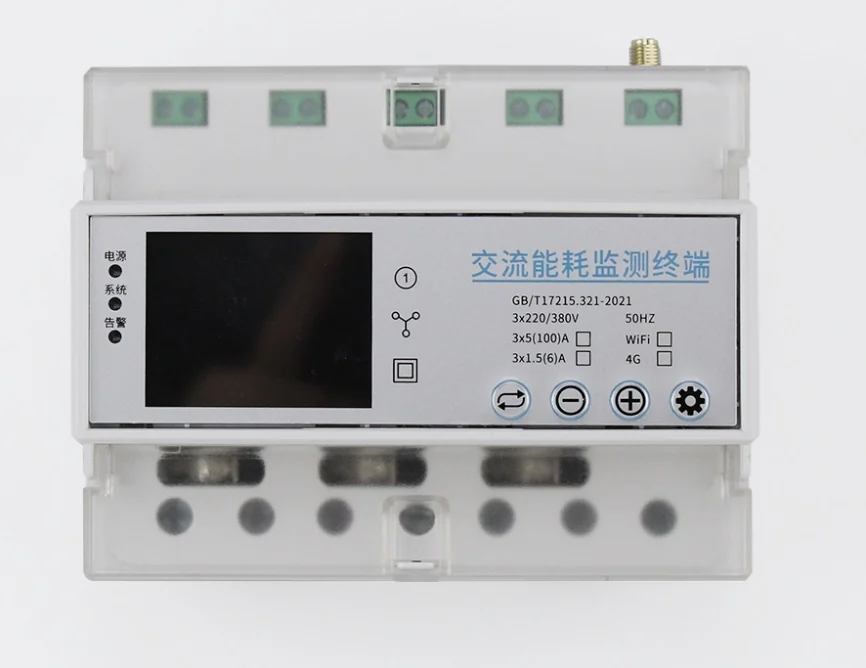
Aggregate room and building energy over consistent periods, recording readings at occupancy changes and meter replacement. Projects requiring cost management can organize reports around the institution’s rules, keeping shared-area and room consumption distinct. Review parent–child differences against metering coverage, acquisition times and instrument configuration so reconciliation rests on a defined scope and period.
Grouped cabinets can use modular terminals and a gateway, while dispersed circuits can use individual 4G devices. Both can share the same room hierarchy in the platform.
Retain time, room and meter readings at handover; record old and new devices on replacement and keep reporting within the same metering scope.
Call us or leave your contact details for product selection and project enquiries.
Call us+86 16605298829Taobao Store ↗Open the Zhenming IoT platform, product documentation or official Taobao store.
For lighting, air-conditioning and fresh-air systems with area-based control, schedules, scene linkage and energy monitoring, around 30% can be used as a project optimization target for feasibility calculation. This wording applies to sites with manual switching, long full-load operation, missing holiday schedules or unattended areas running for unnecessary periods; actual results depend on equipment power, operating hours, circuit grouping and strategy execution.